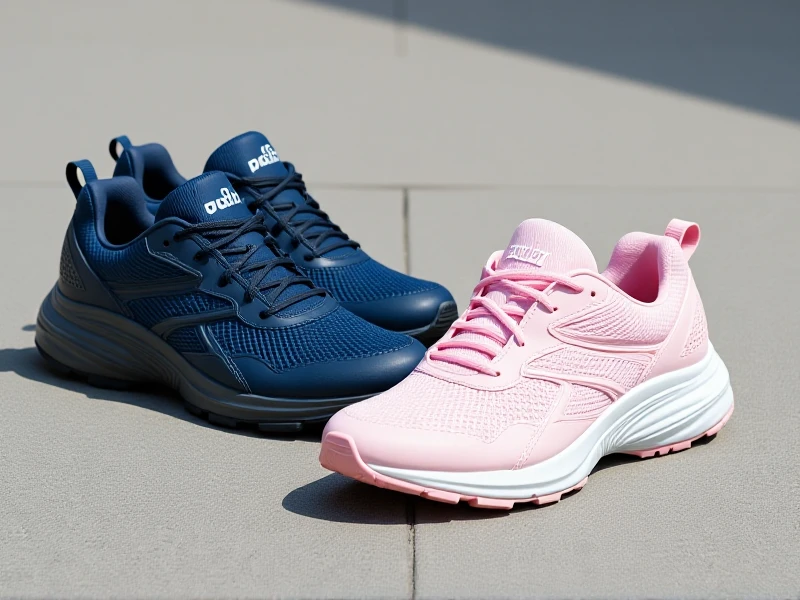
The Ultimate Guide to Finding Your Perfect Pair of Men’s Running Shoes
Finding the right pair of men's running shoes isn't just about style; it's essential for performance, comfort, and preventing injury. Whether you're a seasoned marathoner, a casual jogger, or just starting your running journey, the perfect fit makes all the difference. Here’s what you need to know to choose wisely.
Prioritize Fit & Feel: Always try shoes later in the day when feet are slightly swollen. Ensure a thumb’s width of space between your longest toe and the end of the shoe. Heels should fit snugly without slipping, and the midfoot should feel secure – neither constricted nor swimming in space. Your toes need ample room to splay naturally. Don't sacrifice comfort for trends; an uncomfortable shoe on mile one becomes painful by mile five.
Know Your Gait & Support Needs: Understanding whether you overpronate (feet roll inward), underpronate/supinate (feet roll outward), or have a neutral gait is crucial. Visit a specialty running store for a gait analysis. This insight guides you towards stability shoes (for overpronation), neutral shoes (neutral gait), or motion control options (severe overpronation). Matching your shoe to your gait prevents unnecessary strain.
Understand Cushioning Levels: Cushioning ranges from maximal (plush, shock-absorbing) to minimal (natural feel, ground contact).
- Maximal: Ideal for longer distances, heavier runners, or those prioritizing joint protection.
- Moderate/Regular: The versatile middle ground for most runners.
- Minimal/Lightweight: Favored for speedwork, racing, or runners seeking a 'barefoot' feel. Be cautious transitioning to minimal shoes to avoid injury. Choose based on distance, weight, and personal preference.
Consider the Running Terrain: Where will you run most?
- Road Running Shoes: Designed for pavement and packed trails. Optimized for cushioning and durability on hard surfaces, with smoother tread.
- Trail Running Shoes: Built for off-road adventures. Feature aggressive lugs for grip, tougher uppers for debris protection, and often added stability. Some offer waterproofing. Choose shoes built for your primary surface.
Don't Ignore Mileage & Replacement: Running shoes have a lifespan, typically 300-500 miles. Beyond this, the midsole cushioning compress and loses its protective abilities, increasing injury risk. Track your mileage or inspect the tread and midsole compression. Replacing worn shoes is a vital investment in your health and performance.
Top Technologies: Modern running shoes boast innovative features. Breathable mesh uppers enhance ventilation. Responsive midsoles using materials like Nike’s React, Adidas’s Boost, or ASICS’s Gel provide energy return and cushioning. Durable carbon or blown rubber outsoles ensure traction and longevity. Reflective elements boost safety in low light.
Investing in Your Stride: Choosing the right men's running shoes directly impacts your running enjoyment and health. Focus relentlessly on fit, support, and feel aligned with your running style and goals. Visit an expert, try before you buy, and listen to your feet. Your perfect performance partner awaits – step into comfort and conquer your next run.
Ready to hit your stride? Visit our extensive collection today and find your ultimate pair of men's running shoes!